Eyelid Retraction Repair
Functional and Reconstructive
Eyelid Retraction Repair — Restoring Natural Eyelid Position
The eyelid in its natural state occupies a precise and balanced position relative to the iris — the upper lid margin resting just below the superior limbus, the lower lid margin at or just above the inferior limbus, with the two lids together framing the eye in a way that appears at once alert, relaxed, and anatomically correct. When this relationship is disrupted and one or both lids are displaced away from the eye — a condition known as eyelid retraction — the consequences are both functional and profoundly aesthetic. The upper eyelid, when retracted, exposes sclera above the iris and produces the characteristic wide, staring appearance most commonly associated with thyroid eye disease. The lower eyelid, when displaced inferiorly, reveals sclera below the iris, disrupts tear drainage, and compromises corneal protection. In either location, retraction produces chronic ocular surface exposure, dryness, irritation, and a visible alteration in appearance that patients consistently identify as one of their most significant concerns. Eyelid retraction repair addresses the specific anatomical deficiency responsible for the abnormal lid position — whether excess posterior lamellar tension, scarring, prior surgical change, or the fibrotic remodeling of thyroid eye disease — through a precisely individualized surgical approach.
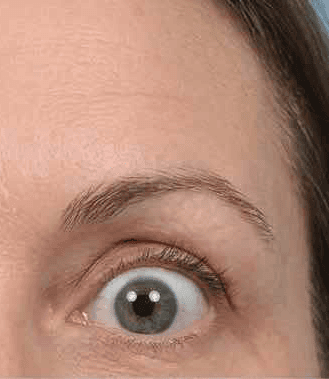

Before
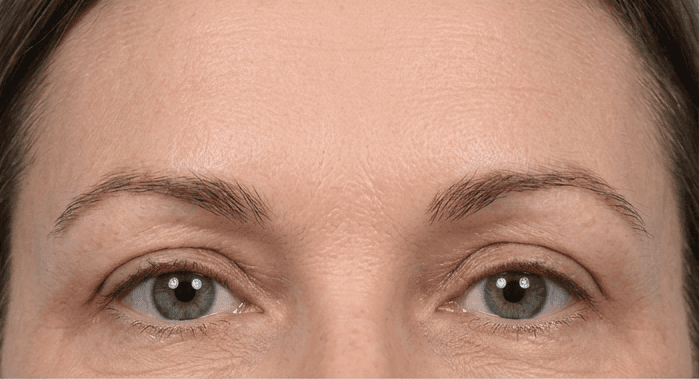
What Eyelid Retraction Repair Can Address
Upper and lower eyelid retraction associated with thyroid eye disease — the most common etiology
Scleral show above or below the iris producing a wide, staring, or alarmed appearance
Corneal and conjunctival exposure causing chronic dryness, irritation, foreign body sensation, and surface damage
Lagophthalmos — incomplete eyelid closure during blinking or sleep — and its sequelae
Upper or lower lid retraction following prior blepharoplasty, facial surgery, or aesthetic treatment
Cicatricial retraction resulting from scarring, radiation, chemical injury, or prior trauma
Eyelid asymmetry in position or contour between the two sides
Epiphora and poor tear distribution resulting from lower lid displacement and punctal malposition
What to Expect
Eyelid retraction repair is performed with surgical technique individualized based on the eyelid involved, the underlying etiology, and the specific lamellar deficiency identified. Upper eyelid retraction is most commonly addressed through lengthening the posterior lamella to allow the lid to descend to its appropriate position. Lower eyelid retraction repair most frequently requires a spacer graft — using acellular dermis, hard palate mucosa, or donor sclera — to vertically lengthen the posterior lamella and restore normal lid position, often combined with a lateral canthal tightening procedure to address concurrent horizontal laxity. In the setting of thyroid eye disease, eyelid retraction repair is also commonly undertaken. Our surgeons will review the reconstructive plan, realistic postoperative expectations, and the complete recovery course with you in detail at the time of consultation.