Ectropion and Entropion
Functional and Reconstructive
Entropion & Ectropion Repair — Correcting Eyelid Malposition
The eyelid's relationship to the surface of the eye is one of the most functionally critical anatomical relationships in the body. When the eyelid margin turns inward — a condition known as entropion — the lashes and skin make direct contact with the cornea, producing relentless irritation, tearing, and in severe or prolonged cases, corneal scarring and vision loss. When the eyelid margin turns outward — ectropion — the exposed inner surface of the lid and the punctal opening through which tears drain are displaced away from the eye, producing chronic tearing, redness, and ocular surface exposure. Both conditions represent failures of the structural support system of the eyelid and, without surgical correction, are progressive. We restore the anatomical relationship between the eyelid and the globe, eliminating symptoms, and protecting the long-term health of the ocular surface.

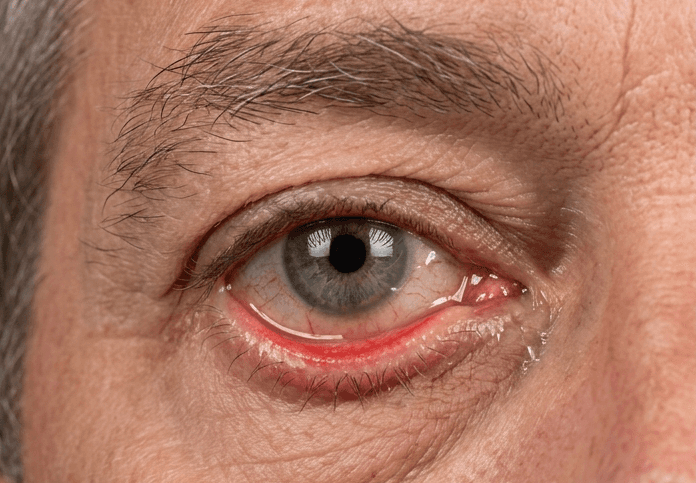
Before

What Entropion & Ectropion Repair Can Address
Entropion:
Inward turning of the lower eyelid causing lash and skin contact with the cornea
Chronic ocular irritation, tearing, and foreign body sensation
Corneal abrasion, ulceration, or scarring from prolonged lash contact
Involutional, cicatricial, and spastic forms of entropion
Ectropion:
Outward turning of the lower eyelid producing corneal and conjunctival exposure
Chronic epiphora — overflow tearing — from punctal displacement and poor apposition
Ocular surface inflammation, redness, and mucous discharge
Involutional ectropion from horizontal lid laxity, and cicatricial ectropion from scarring or prior surgery
What to Expect
Both entropion and ectropion repair are performed under local anesthesia as outpatient procedures. Surgical technique is selected based on the underlying etiology — involutional cases are most commonly addressed through horizontal lid tightening procedures, while cicatricial cases may require tissue grafting to release vertical tension. Sutures are removed at one week, and bruising and swelling resolve over two to three weeks. Symptomatic relief is typically immediate following surgery, with final eyelid position and contour assessed at three months postoperatively.